Red Flags For Homeowners
July 8, 2026
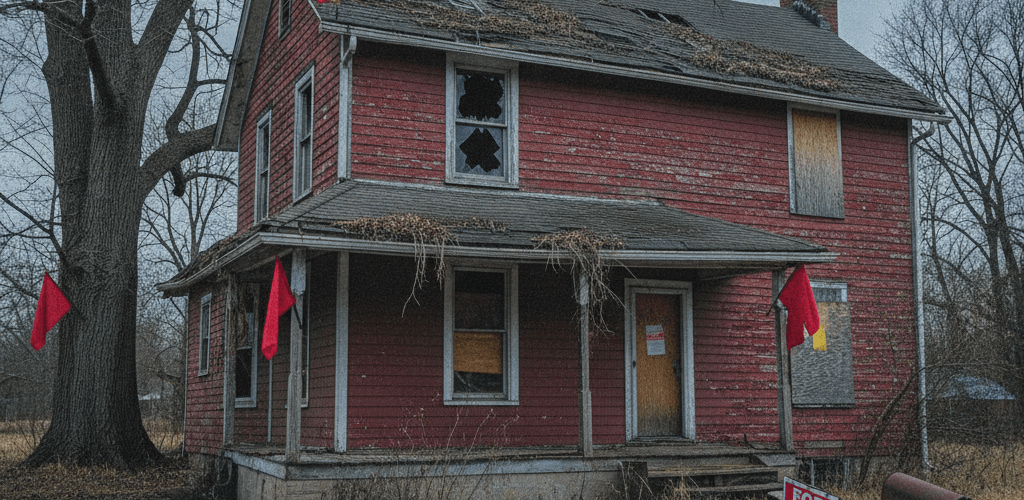
As a homeowner, I know that maintaining a house can feel like a never-ending task. There is always something new to learn or fix. We all want our homes to be safe and sound places for our families. That means paying close attention to its condition. It also means noticing small issues before they become major problems.
I have seen many homeowners overlook subtle signs that their house is trying to tell them something. These small indications are often red flags for homeowners. They signal that a deeper problem exists or is about to start. Learning to spot these warning signs can save you a lot of stress and money down the road.
Staying ahead of potential home issues is a smart way to protect your investment. I want to share some of the most common red flags I have encountered. This will help you identify issues that need your attention. Being proactive is always better than reacting to an emergency.
Recognizing Early Signs of Foundation Problems
The foundation is the bedrock of your home. Any issues here can cause widespread damage. It is crucial to inspect your foundation regularly. Even small changes can point to bigger problems. I always advise homeowners to walk around their house and check for these signs.
Ignoring foundation red flags for homeowners can lead to very costly repairs. Water damage or shifting soil often causes these issues. It is important to address them quickly. Early detection can make a big difference in the repair process and its cost.
Visible Cracks and Uneven Floors
One of the most obvious red flags is cracks. I look for cracks in the foundation walls. Hairline cracks are sometimes normal. But if cracks are wider than a quarter inch, or shaped like a staircase, that is a concern. Horizontal cracks are also a serious warning sign. They can indicate significant pressure on the foundation.
Inside the house, I check for cracks in drywall or plaster. These might appear around doorframes or windows. Doors or windows that stick or do not close properly are also indicators. Another clear sign is uneven or sloping floors. You might notice furniture tilting or marbles rolling across the floor. These all suggest movement in the foundation. It is a good idea to seek professional advice if you observe these issues.
Signs of Moisture in the Basement or Crawl Space
Moisture is a silent killer for foundations. I always check for dampness or standing water in basements and crawl spaces. Musty odors are also a strong indicator of moisture problems. These areas should be dry and well ventilated. Excessive moisture can weaken concrete and cause mold to grow.
Efflorescence, which is a white powdery substance on concrete walls, signals water seeping through. It leaves mineral deposits behind. This is a common red flag for homeowners indicating water intrusion. Pooling water around the exterior of your house, especially near the foundation, is also a problem. It can lead to hydrostatic pressure against your basement walls. This pressure can cause cracks and leaks.
Understanding Plumbing System Red Flags
Plumbing issues can quickly turn into major headaches. They can cause water damage. They can also create unhealthy living conditions. I have learned that paying attention to your home’s water systems can save you from a disaster. Little quirks in your plumbing can be big warnings.
Water leaks often start small. They can be hidden behind walls or under floors. This makes them hard to spot until damage is extensive. Regular inspections and awareness of changes are key. We must avoid costly repairs from these common red flags for homeowners.
Lingering Odors and Slow Drains
I always advise people to trust their nose. A persistent sewer gas smell in your home is a major plumbing red flag. It might mean a dry trap or a more serious issue like a sewer line break. This smell is not just unpleasant. It can also be a health hazard. It signals that your plumbing system is not sealing properly.
Slow drains are another common warning. If multiple drains in your home are slow, it often points to a clog in the main sewer line. A single slow drain might just be a local clog. But many slow drains mean a bigger issue is at play. It needs immediate attention to prevent a full backup. These are definitely red flags for homeowners to notice.
Water Pressure Changes and Discoloration
I notice when water pressure changes suddenly. A noticeable drop in water pressure throughout your home could mean a few things. It might be a pipe leak or a problem with your water heater. It could also mean mineral buildup in your pipes. This buildup restricts water flow. Consistent low pressure is a sign that something is not right with your plumbing system.
Discolored water is also a serious red flag. If your tap water suddenly looks rusty, brown, or yellow, it means rust in your pipes or water heater. This can affect water quality. It suggests your plumbing infrastructure needs a closer look. I always recommend getting these issues checked by a professional plumber right away.
Heating Ventilation and Air Conditioning System Warnings
Your HVAC system works hard to keep your home comfortable all year. When it struggles, it often gives off warning signs. These are important red flags for homeowners. I make sure to listen for unusual noises. I also pay attention to how well the system cools or heats. These observations can tell me a lot about its health.
HVAC problems can lead to high energy bills and uncomfortable living spaces. Regular maintenance helps prevent many issues. But some problems can still creep up. Knowing what to look for can help you call for service before a total breakdown occurs. When you notice 9 warning signs your AC needs repair, it is a good idea to schedule service.
Strange Noises and Inconsistent Temperatures
I have heard many strange noises from HVAC systems. Squealing, grinding, or banging sounds often mean mechanical issues. A squealing noise might suggest a worn fan belt. Grinding sounds could indicate a failing motor bearing. These noises are not normal. They typically point to parts that need repair or replacement.
Another common red flag is inconsistent temperatures. If some rooms are hot and others are cold, your system is not distributing air effectively. This might be due to ductwork issues or a failing compressor. It can also be a sign of a clogged filter. My experience tells me that uneven heating or cooling often means your system is working too hard. This increases wear and tear.
Rising Energy Bills
I always keep an eye on my utility bills. A sudden and unexplained jump in energy costs is a clear red flag for homeowners. It often means your HVAC system is losing efficiency. This could be because of dirty coils or an aging unit. An inefficient system uses more power to achieve the same results.
Poor insulation or leaky ductwork can also contribute to higher bills. The system runs longer to maintain the desired temperature. This indicates that your home is losing conditioned air. It is important to investigate these increases. This helps avoid throwing money away on wasted energy. Catching these early can help you save money.
Electrical System Concerns and Fire Hazards
Electrical systems are vital but can be very dangerous if problems arise. I always treat electrical issues with extreme caution. Safety is the top priority here. Wiring problems can lead to fires. They can also cause electrical shocks. It is crucial to address these red flags for homeowners without delay.
Never try to fix complex electrical problems yourself unless you are a qualified electrician. My advice is always to call a professional. They can diagnose and repair issues safely. This protects your home and your family.
Flickering Lights and Tripping Breakers
I have noticed that flickering lights are a common red flag. This can mean a loose wire connection. It might also mean an overloaded circuit. If flickering happens in one fixture, the issue is likely local. But if it happens throughout the house, it could be a main electrical problem. This requires immediate attention.
Circuit breakers that trip frequently are another serious warning. Breakers are designed to trip to prevent circuits from overheating. Frequent trips mean that a circuit is overloaded. It could also mean there is a short circuit. Ignoring this can lead to damaged appliances or even electrical fires. It is a definite red flag for homeowners.
Burning Smells and Warm Outlets
A burning smell from an outlet or switch is a very serious electrical red flag. It often means wires are overheating. This could be due to a faulty outlet or an issue with the wiring behind the wall. The smell of burning plastic or ozone is a clear sign of danger. You should immediately turn off power to that area at the main breaker.
Outlets or switch plates that feel warm to the touch are also alarming. This warmth indicates excessive heat buildup. It could be from loose wiring or an overloaded circuit. Any heat from an electrical component is a cause for concern. These situations demand prompt professional electrical service. Do not hesitate to call for help.
Roofing and Exterior Red Flags
The roof protects your home from the elements. Its condition is vital for overall structural integrity. I often remind homeowners to inspect their roofs. This should be done at least once a year. After strong storms, I recommend checking it too. The exterior of your home, including siding and gutters, also acts as a protective layer.
Keeping an eye on these exterior elements helps prevent water damage. It also stops pests from entering your home. Early detection of roof and exterior issues can prevent leaks. It can also stop deterioration that could affect your home’s interior. These are important red flags for homeowners to know.
Missing Shingles and Granule Loss
I frequently see missing or damaged shingles after bad weather. Strong winds or hail can rip shingles off. This exposes the underlying roof structure to water. If you see shingles scattered in your yard, it means your roof has taken a hit. You need to address this quickly. Exposed areas can lead to leaks and serious water damage inside your home.
Granule loss is another subtle but important red flag. As shingles age, they lose their protective granules. You might notice these granules accumulating in your gutters or downspouts. This indicates that your roof is nearing the end of its lifespan. It also means it is losing its ability to protect against UV rays and impact. This is a common sign of an aging roof needing replacement.
Water Stains and Gutter Issues
I always look for water stains on ceilings and walls. These stains are clear signs of a roof leak. They might appear as discoloration or bubbling paint. The location of the stain often helps pinpoint the source of the leak on the roof. Ignoring these stains will allow the leak to worsen. This could lead to mold growth and extensive damage to drywall or structural wood.
Clogged or damaged gutters are also significant red flags. Gutters are designed to divert rainwater away from your home’s foundation. If they are blocked by leaves or debris, water overflows. This can pool around the foundation. It can also spill onto siding and windows. This leads to water damage, foundation issues, and even basement flooding. I clean my gutters often to prevent this problem.
Pest Infestations and Unwelcome Guests
Pests are not just annoying. They can cause real damage to your home and pose health risks. I always preach vigilance when it comes to unwelcome guests. They often leave clues about their presence. It is important to know what these red flags for homeowners look like. Early detection can prevent a full-blown infestation.
Identifying pests early means you can take action quickly. This protects your home from structural damage. It also safeguards your family’s health. Many pests carry diseases. They can also contaminate food. Being observant around your home is key to keeping them out.
Droppings and Chew Marks
I look for pest droppings in areas like kitchens, pantries, and basements. Rodent droppings are small and dark. Insect droppings might look like black specks. Discovering these is a definite sign that you have unwanted visitors. It is unpleasant but important to identify what kind of pest you are dealing with.
Chew marks are another clear indicator. Rodents often gnaw on electrical wires, wooden structures, or food packaging. These marks are usually small and ragged. Finding them on anything from food boxes to baseboards signals rodent activity. They can cause significant damage. They also create fire hazards by chewing through wires. These are serious red flags for homeowners.
Unusual Sounds and Nests
I listen for unusual sounds. Scratching or scurrying noises in walls, attics, or ceilings are often signs of rodents or other pests. These sounds are most common at night. That is when many pests are most active. Hearing these sounds should prompt an investigation. They are definitely red flags for homeowners.
Finding nests is also a strong sign of an infestation. Rodents build nests from shredded paper, fabric, or insulation. Insects might build nests in secluded corners or inside walls. Discovering these nests confirms a pest problem. It shows that pests are breeding and living in your home. This situation needs immediate pest control measures to prevent further spread.
Final Thoughts on Protecting Your Home
I always emphasize that being a homeowner means being proactive. It involves paying close attention to your home’s subtle cues. These red flags for homeowners are not meant to scare you. They are meant to empower you. Knowing what to look for allows you to address problems before they escalate. Think of your home as a living entity. It communicates its needs in various ways. Your job is to listen and respond appropriately. I have seen firsthand how ignoring a small drip can turn into a burst pipe. I have seen how a tiny crack can become a major foundation repair. Early detection truly is the best defense against costly and stressful home repairs.
So, I encourage you to make regular home inspections a routine part of your life. Walk around your house. Look closely at your foundation. Check your plumbing for slow drains or odd smells. Pay attention to your HVAC system’s performance and your energy bills. Inspect your roof and exterior for any damage. Keep an eye out for signs of pests. If you spot any of these red flags, do not hesitate to seek professional help. Addressing these issues promptly will ensure your home remains a safe, comfortable, and valuable asset for years to come. Your home deserves your attention, and you deserve peace of mind.