Managing Operations In Modern Retail
June 17, 2026
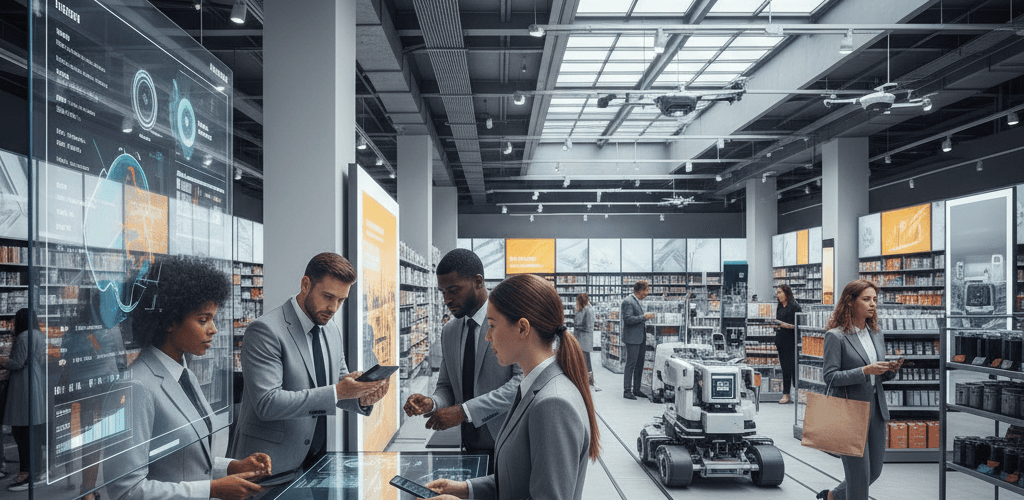
Managing operations in modern retail feels like navigating a constantly shifting landscape. The way people shop has changed significantly, with online stores, speedy deliveries, and personalized experiences now being the norm. Businesses must keep up or risk falling behind.
I have seen firsthand how critical efficient operations are for any retail business to thrive today. It is not just about selling products. It is about every single step from getting goods in stock to making sure customers walk away happy.
This article will dive into the key areas of managing operations in this dynamic environment. We will explore how technology can help, how to create great customer experiences, and the best ways to handle inventory and your team. We will also look at how smart use of data makes a big difference.
Embracing Technology for Streamlined Retail
Technology plays a huge role in retail operations these days. Stores use various digital tools to make daily tasks smoother and more accurate. This includes everything from tracking sales at the checkout to managing customer information.
For example, a modern Point of Sale (POS) system does more than just process payments. It can track inventory levels in real time, help with staff scheduling, and even gather customer purchase data. This integration means less manual work and fewer errors for the business.
We also rely on Customer Relationship Management (CRM) systems to understand our shoppers better. These systems store details about customer preferences and purchase history. This helps us offer more targeted promotions and improve service.
Smart Inventory Management Solutions
Keeping track of inventory is one of the biggest challenges in retail. Too much stock ties up capital and risks spoilage or obsolescence. Too little stock means lost sales and unhappy customers.
Modern inventory management systems use automation to solve these problems. They can predict demand based on past sales, seasonal trends, and even external factors like weather. This helps us order the right amount of products at the right time.
Many systems also use RFID tags or barcodes to track items as they move through the supply chain. This means we know exactly where every product is, from the warehouse shelf to the sales floor. It makes restocking easier and faster.
Customer Relationship Management (CRM) Systems
A good CRM system is vital for building lasting customer relationships. It helps us collect and organize customer data in one place. This data includes contact information, purchase history, and communication records.
With a CRM, we can tailor marketing messages to specific customer segments. We can also provide more personalized service, like remembering a customer’s favorite products or addressing past issues quickly. This level of personalized attention makes customers feel valued and keeps them coming back.
The system also allows our staff to access customer information instantly, no matter where they are. This means a seamless experience for the customer whether they are shopping online or in a physical store.
Optimizing the Customer Experience in Stores
The customer experience is at the heart of modern retail success. It is no longer enough to just have great products. Shoppers expect a smooth, enjoyable, and personalized journey every time they interact with a brand.
We work hard to make our physical stores inviting and easy to navigate. This means clear signage, well-organized displays, and comfortable spaces. Training staff to be knowledgeable and friendly is also very important.
Personalization goes a long way. When staff can greet customers by name or suggest products based on past purchases, it builds loyalty. This personal touch turns a simple shopping trip into a positive experience.
Consider new retail models that prioritize convenience and innovation. For instance, a vending machine business offers automated shopping that simplifies transactions, especially for quick grab-and-go items. These kinds of convenient options show how retail is evolving to meet diverse customer needs.
Efficient Supply Chain and Inventory Practices
A smooth supply chain is essential for keeping operations running well. It involves managing the flow of goods from suppliers to customers. Any hiccup in this chain can cause major problems for a retail business.
I focus on minimizing waste and ensuring we always have popular items in stock. This means carefully planning what to order and when. We also look for ways to reduce shipping costs and speed up delivery times.
Accurate demand forecasting is key here. By analyzing sales data, market trends, and even economic indicators, we try to predict what customers will want. This helps us avoid overstocking or running out of crucial products.
Regular inventory audits are also necessary. These checks help us confirm that our digital records match our physical stock. It catches discrepancies early and prevents larger issues down the line.
Working closely with suppliers also helps a lot. Strong relationships with vendors mean better pricing, more reliable deliveries, and quicker responses to unexpected changes. This collaboration builds a resilient supply chain.
Empowering Your Retail Team
The people working in retail are just as important as the products and technology. A motivated and well-trained team can make or break the customer experience. I believe in investing in our staff.
Proper training is a must. This goes beyond just knowing how to operate a cash register. It includes product knowledge, customer service skills, and understanding the company culture. Confident employees provide better service.
Maintaining high morale is also critical. Retail work can be demanding, so recognizing hard work and creating a positive work environment helps a lot. Happy employees are more productive and stay with us longer.
Effective scheduling ensures we have enough staff during busy times and do not overstaff during slow periods. It balances labor costs with service quality. Flexible scheduling options can also improve employee satisfaction.
Performance management systems help us track individual and team goals. We use regular feedback and coaching to help our team members grow. This focus on development benefits both the employee and the business.
Data-Driven Decision Making
In modern retail, data is gold. Smart businesses use analytics to guide nearly every operational decision. It removes guesswork and helps us make informed choices.
I look at various data points regularly. Sales data tells us what is selling well and what is not. Customer data reveals buying patterns and preferences. Operational data shows where we can improve efficiency.
For example, analyzing peak shopping hours helps us optimize staff schedules. Understanding which marketing campaigns lead to sales lets us allocate our budget more effectively. Data insights provide a clear picture of what works.
We use tools that collect and present this data in an easy-to-understand format. This allows managers and even store associates to see how their efforts contribute to the overall business goals. When everyone understands the numbers, they can work smarter.
Measuring success means setting clear metrics and regularly reviewing them. This might include sales per square foot, average transaction value, or customer satisfaction scores. Constant monitoring helps us quickly adapt strategies.
Adapting to Market Changes and Trends
The retail landscape is always changing. New technologies, shifting consumer preferences, and unexpected global events can all impact operations. Remaining flexible and adaptable is vital for survival.
I always encourage staying informed about industry trends. This means reading trade publications, attending webinars, and observing what competitors are doing. Knowing what is coming next helps us prepare.
For example, the rise of sustainable shopping means we might need to adjust our sourcing or packaging. The demand for faster delivery could push us to rethink our logistics. These are all operational considerations.
Building agile operational systems allows for quicker pivots. This means having processes that can be easily modified without disrupting the entire business. It also means fostering a culture where change is seen as an opportunity, not a threat.
Regularly reviewing our business model helps ensure it remains relevant. We ask ourselves if our current operations truly serve our customers’ evolving needs. This forward-thinking approach keeps us competitive.
Conclusion: Mastering Retail Operations for Lasting Success
Managing operations in modern retail is a multifaceted challenge, but it is also a huge opportunity. By embracing technology, prioritizing the customer experience, and optimizing every step of the supply chain, businesses can set themselves up for significant growth. I have found that a well-run operation builds customer loyalty and keeps staff happy too, which are two sides of the same coin when it comes to long-term success. Focusing on empowering your team with good training and support also makes a noticeable difference in daily efficiency and overall store atmosphere. Utilizing data to make smart decisions means you are always learning and improving, which is essential in today’s fast-paced world. Adapting to market trends and being ready for change helps future-proof your business against unexpected shifts. The retail world will continue to evolve, so I encourage you to consistently review and refine your operational strategies. Continuous improvement is not just a buzzword. It is the path to truly mastering modern retail. Take these insights and apply them to your own retail venture to see how much smoother and more profitable your operations can become.