Simple Steps For Effective Insect Prevention
June 18, 2026
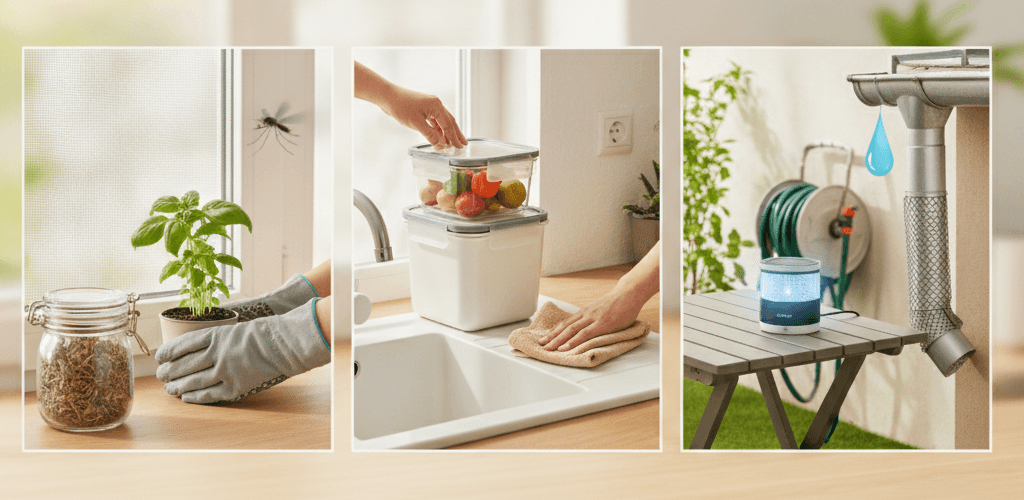
Dealing with insects in your home can be a real headache. I know firsthand how a small problem with ants or mosquitoes can quickly grow into something much bigger. Preventing these tiny invaders is always better than trying to get rid of them once they are settled in your living space. It saves you time and stress.
I have learned that keeping insects out does not require harsh chemicals or complicated methods. Often, it comes down to adopting a few consistent habits and making some smart choices around your property. We can make our homes less appealing to pests without a lot of fuss.
This article will walk you through some simple steps for effective insect prevention. We will cover practical strategies that I have seen work well for many different kinds of pests. You will find that these tips are easy to put into practice and they offer lasting results.
Sealing Entry Points to Keep Pests Out
One of the most important simple steps for effective insect prevention involves identifying and sealing off any potential entry points into your home. Insects are masters at finding small cracks and openings. Even a tiny gap around a window or a pipe can serve as an invitation for them to come inside. I always advise people to take a close look at their home’s exterior.
Check all windows and doors for gaps. Old weather stripping can wear out, and screens might have small tears. Replacing worn weather stripping is a quick fix that makes a big difference. I also look for cracks in the foundation or around utility lines. Using caulk or steel wool can effectively block these areas. Steel wool works great for larger holes because pests like rodents cannot chew through it.
I focus on specific areas that pests love. Think about the crawl space vents or any openings where pipes enter the house. Even gaps under exterior doors should be considered. Install door sweeps to close these gaps and stop crawling insects from slipping in. These small changes add up to a much more secure home environment.
Inspect Your Home’s Foundation and Exterior Walls
I always start with the foundation and exterior walls because these are common weak points. Look for any hairline cracks or larger fissures that have developed over time. Small insects like ants and spiders can squeeze through openings you might barely notice. I use a good quality silicone caulk for these repairs. It is durable and creates a strong barrier.
Do not forget about areas where different materials meet. This includes where your siding meets the foundation or where brickwork might be separating slightly. These areas often develop small gaps as the house settles. Taking the time to walk around your entire home and fix these spots will pay off. It is a fundamental part of keeping pests outside where they belong.
Secure Windows and Doors
Windows and doors are primary entry points for many pests, especially flying ones like mosquitoes and flies. I make sure all window screens are intact and without holes. Repairing a screen is much simpler than dealing with a house full of flies. Check the frames of your windows and doors too. Sometimes, the sealant around them degrades, creating tiny pathways for bugs.
For doors, I ensure they close tightly against the frame. If there is a visible gap at the bottom, a door sweep can be installed easily. I prefer sweeps with a rubber or brush seal for maximum effectiveness. This creates a solid barrier against crawling insects and helps with energy efficiency too.
Managing Food and Water Sources
Pests are always looking for two things: food and water. If your home provides easy access to either, you are inviting them to stay. My experience shows that strict management of these resources is crucial for simple steps for effective insect prevention. It can dramatically reduce pest activity without needing harsh treatments.
I always keep food in airtight containers. This includes staples like flour, sugar, and cereals. Many insects, like pantry moths and ants, are attracted to stored food items. Wiping down counters after meals also removes crumbs and spills that could attract pests. I pay special attention to pet food too, because it often sits out for long periods.
Water sources are just as important. Leaky faucets or pipes create a constant water supply for pests like cockroaches and mosquitoes. Fixing these leaks quickly makes a big difference. I also ensure that sinks are not left with standing water, especially overnight. Even condensation on pipes can provide enough moisture for some insects.
Proper Food Storage Practices
Proper food storage is a cornerstone of pest prevention. I use glass or sturdy plastic containers with tight-fitting lids for all dry goods. This stops pests from smelling the food and getting into it. Opened bags of chips or cereal should always be sealed or transferred to these containers.
I also advise keeping fruits and vegetables in the refrigerator when possible. For items kept on counters, like bananas, I use fruit bowls with covers to deter fruit flies. Regularly checking expiration dates and discarding old food also helps. These habits remove a primary attraction for many common household pests.
Eliminating Water Sources and Excess Moisture
Water is a magnet for pests. I check under sinks, around toilets, and near appliances for any signs of leaks. Even small drips can create enough moisture for pests to thrive. Repairing leaky pipes or faucets immediately is a high-priority task for pest control.
Beyond leaks, I also address areas of high humidity. Basements and bathrooms can often be damp. Using a dehumidifier in these areas reduces moisture levels, making them less hospitable to pests. I ensure proper ventilation in bathrooms after showers. These efforts cut off a vital resource for many problematic insects and help preserve the structural integrity of your home.
Landscaping for Effective Pest Control
The area immediately surrounding your home is just as important as the inside when it comes to simple steps for effective insect prevention. Your landscaping choices can either invite pests closer or push them away. I have seen many homes where outdoor issues directly led to indoor pest problems.
I always recommend keeping plants and shrubs trimmed back away from your house. Tree branches that touch the roof or walls create a bridge for pests like ants, rodents, and even squirrels to enter. A buffer zone of at least a foot or two between your plants and your home’s foundation is ideal. This makes it harder for pests to access your walls and windows.
Mulch and leaf litter near the foundation can also harbor pests. These materials retain moisture and provide shelter for many insects. I suggest pulling mulch back a few inches from the foundation. Clearing away fallen leaves and other organic debris regularly is also important. This keeps the immediate perimeter of your home dry and exposed, which pests tend to avoid.
Regular Cleaning Habits for a Pest-Free Home
Cleanliness is a surprisingly powerful weapon in the battle against insects. I have found that simple, consistent cleaning routines are among the most effective insect prevention methods. A tidy home offers fewer hiding spots and less food for pests, so they are less likely to settle in.
I make it a habit to vacuum and sweep floors regularly. This picks up crumbs, pet hair, and insect eggs that might be present. Pay extra attention to areas under furniture and along baseboards where debris can collect. Mop hard floors with a good cleaner to remove sticky residues that can attract ants and other crawling insects.
Also, I never let dirty dishes pile up in the sink. Washing dishes immediately after use removes a prime food source for cockroaches and flies. Wiping down kitchen counters and tables after every meal also ensures no crumbs are left behind. These small but consistent actions break the pest cycle and keep your home feeling fresh and clean.
Kitchen Cleanliness is Key
The kitchen is often the heart of pest activity because it is where food is stored and prepared. I make sure to wipe down all surfaces with an all-purpose cleaner daily. This includes countertops, stove tops, and the outside of appliances. I also pay attention to the crumbs that fall into toaster ovens or under the refrigerator.
Emptying trash cans regularly, especially those in the kitchen, is also essential. Food waste attracts a wide range of pests. I prefer trash cans with tight-fitting lids to contain odors and prevent access. These simple habits create a less appealing environment for pests and support the overall simple steps for effective insect prevention.
Bathroom and Laundry Room Hygiene
Bathrooms and laundry rooms often have moisture, making them attractive to certain pests. I recommend cleaning showers, sinks, and toilets regularly to prevent mold and mildew buildup, which some insects feed on. Ensuring good ventilation also helps to reduce humidity.
In the laundry room, I check for damp towels or clothes left on the floor. These can attract silverfish and other moisture-loving pests. Keeping these areas dry and clean removes potential breeding grounds. A clean and dry home is a much less inviting place for pests to thrive.
Natural and DIY Insect Prevention Solutions
Many effective insect prevention strategies do not involve harsh chemicals. I often use natural and DIY methods to keep pests at bay. These solutions are usually safer for children and pets, and they can be just as effective when used correctly. For example, some essential oils are natural insect repellents. Peppermint oil, for instance, can deter spiders and ants. I mix a few drops with water and spray it around entry points.
Diatomaceous earth is another excellent natural product. It is a fine powder made from fossilized algae. When insects like ants or cockroaches crawl over it, the powder dehydrates their exoskeletons, killing them. I sprinkle a thin layer of food-grade diatomaceous earth in hidden areas, like under sinks or behind appliances. This creates a barrier they do not want to cross.
I find that a holistic approach works best. This means combining natural repellents with good sanitation and sealing practices. If you are a new homeowner pest prevention guide can offer even more tailored advice on setting up your home to resist pests from the start. Taking these natural steps contributes to a healthier living environment.
When Professional Help is Necessary
While I strongly believe in simple steps for effective insect prevention through DIY methods, there are times when professional help becomes necessary. Sometimes, a pest problem grows beyond what you can handle alone. Knowing when to call in the experts can save you from a lot of frustration and potential damage.
If you notice a sudden increase in pest activity that does not respond to your usual prevention efforts, it might be a sign of a larger infestation. For example, if you see many ants despite diligent cleaning and sealing, a colony might be established nearby. Certain pests, like termites or bed bugs, almost always require professional treatment due to their elusive nature and the difficulty in eradicating them completely. Termites can cause significant structural damage if left unchecked, and bed bugs are notoriously hard to get rid of without specialized knowledge and tools.
I also consider professional help if you are dealing with potentially dangerous pests like wasps, hornets, or venomous spiders. Removing these nests or infestations safely requires expertise and proper equipment. A pest control professional can quickly assess the situation, identify the type of pest, and implement a targeted treatment plan. They often have access to more powerful and effective solutions that are not available to the average homeowner. Do not hesitate to seek help when the problem feels overwhelming or poses a risk to your family’s health and safety.
Maintaining a Vigilant Approach to Prevention
Keeping your home pest-free is not a one-time task, it is an ongoing commitment. I have learned that consistency and vigilance are the keys to long-term simple steps for effective insect prevention. It is about integrating these habits into your daily and seasonal routines, so they become second nature. Just like regular cleaning, pest prevention needs continuous attention to truly be effective.
I always perform seasonal checks around my home. In spring, I look for new cracks and refresh my pest barriers before insects become active. In fall, I seal things up again, preparing for pests that might seek warmth indoors as temperatures drop. These routine inspections help me catch small issues before they become major problems, saving me time and money down the line. I also encourage checking storage areas like basements and attics a few times a year. These often neglected spaces can harbor pests without you knowing it until an infestation is large.
Remember that even with the best efforts, an occasional pest might sneak in. The goal is not zero pests always, but managing populations and making your home an unwelcome place for them. If you spot a single pest, take it as a reminder to reinforce your prevention strategies. Do not ignore it. A quick response can stop a small scout from inviting its whole family. Staying proactive with these simple steps for effective insect prevention helps maintain a comfortable and healthy living environment for you and your family.